
Nine 1/2 Weeks1986
They broke every rule.
An erotic story about a woman, the assistant of an art gallery, who gets involved in an impersonal affair with a man. She barely knows about his life, only about the sex games they play, so the relationship begins to get complicated.
Top-billed cast
49


Media
105


A project of this sort depends crucially on the chemistry between its actors, and Kim Basinger and Mickey Rourke develop an erotic tension in this movie that is convincing, complicated and sensual.
'The Fifty Shades of Grey' of the 80s. '9½ Weeks' generates an accumulation of sensations and, curiously, none of them work in its favor. It’s not so much that it makes you uncomfortable — that could even be a merit — but rather that it exhausts. From its very first moments, a sense of repetition sets in. Everything seems to revolve around itself, as if the film were confusing insistence with depth. The movie commits to an insistent, overwhelming eroticism, almost suffocating, leaving no room for desire to breathe or evolve. Sex is presented as language, as the bond, even as a form of love — an idea that is valid and defensible — but here it is imposed with a bluntness that is hard to digest. There is no real progression: attraction, surrender, and dependence seem to occur automatically, without any emotional construction to support them. Personally, this suggests an excessively abrupt narrative leap in the script, although it is fair to acknowledge that this may not be the film’s primary intention. Still, rather than discovering a relationship, the viewer feels required to accept it. The first stretch is especially arduous. The pace is fast but not stimulating; everything happens too quickly. The lack of specific context for Kim Basinger’s character could be understood as a strategy — getting to know her at the same time as Mickey Rourke’s character does — but the editing fails to make that choice effective, at least on a personal level. Form does not support substance, and the narrative never finds a rhythm that feels organic. One of the few solid aspects is the purely audiovisual side. Adrian Lyne shows technical competence in translating heavy material into something at least formally digestible. The cinematography, without being dazzling, works; the use of light and shadow adds texture and atmosphere, although it further reinforces an eroticism that already feels excessive very early on. The settings, sober to the point of exhaustion, integrate into the narrative proposal but end up feeling oppressive and confusing, like spaces without identity beyond their symbolic function. The music, on the other hand, stands out positively. The selection and composition elevate scenes that would otherwise feel even flatter (despite being intense to the point of strain). It is the only element that remains consistently enjoyable, providing an emotionality that the staging and script fail to convey on their own. Kim Basinger delivers a precise and convincing performance. A sharp portrayal, fully aware of what needs to be communicated and how, giving the character a credible vulnerability. Mickey Rourke, by contrast, dissolves into rigidity and artifice, which does little to nuance an already condescending and unbalanced character. Rather than unsettling, he becomes tiresome and dull. Some scenes work, and are even interesting, but they are exceptions within a whole that feels unpleasant and draining. '9½ Weeks' does not seduce, neither at the beginning nor at the end; not for lack of provocation, but for lack of substance. And when the ending arrives, the dominant feeling is not reflection, but relief: the relief of finally having escaped a loop that was going nowhere.
Despite a monotonously fashionable mise-en-scene, Lyne generates some genuine erotic tension between his two stars; you believe in their obsessive relationship, even as most of the action and staging registers as ridiculous.
Your Review
Sign in to write reviews, reply to threads, and like content.
Community Reviews (0)
9½ Weeks Collection
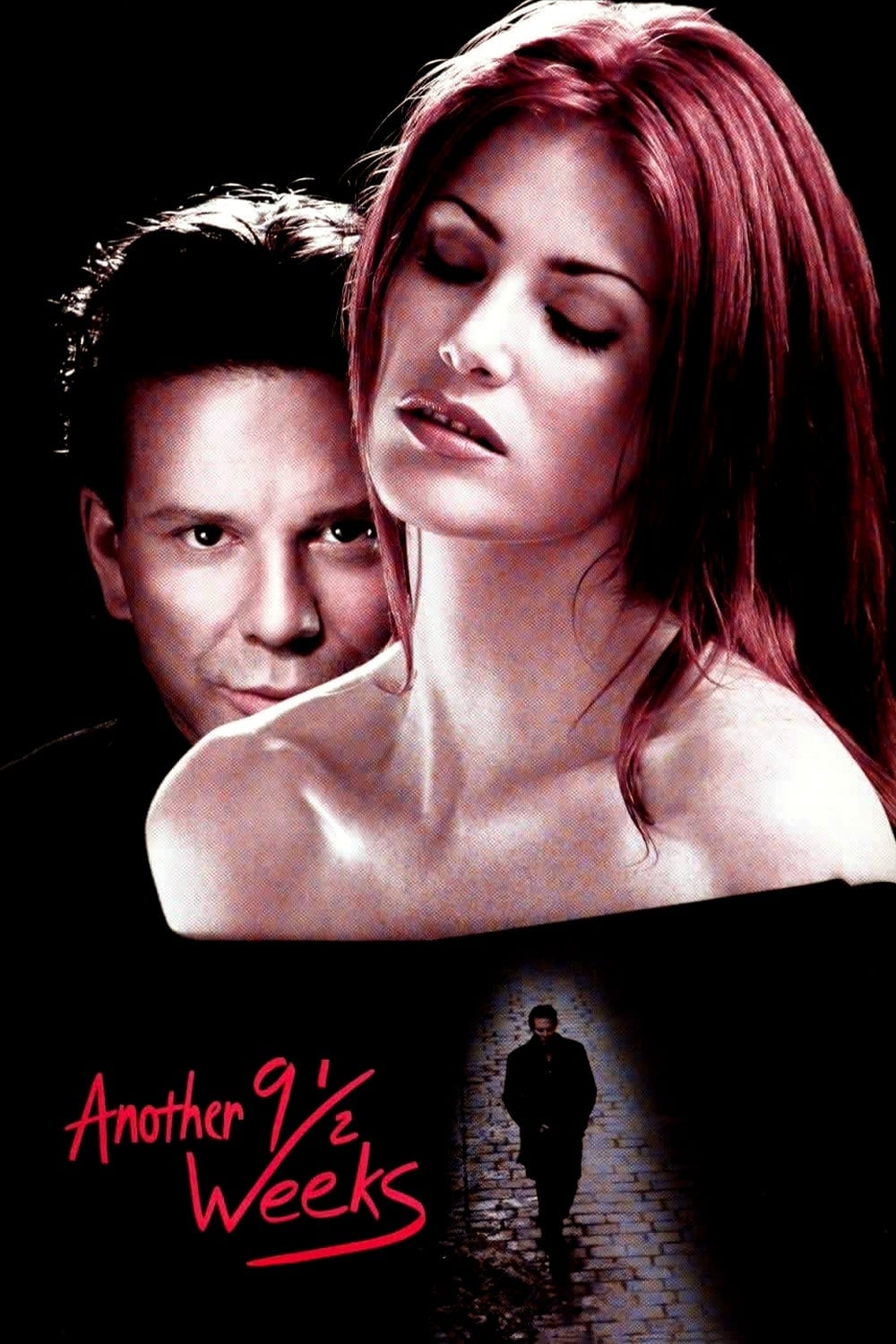
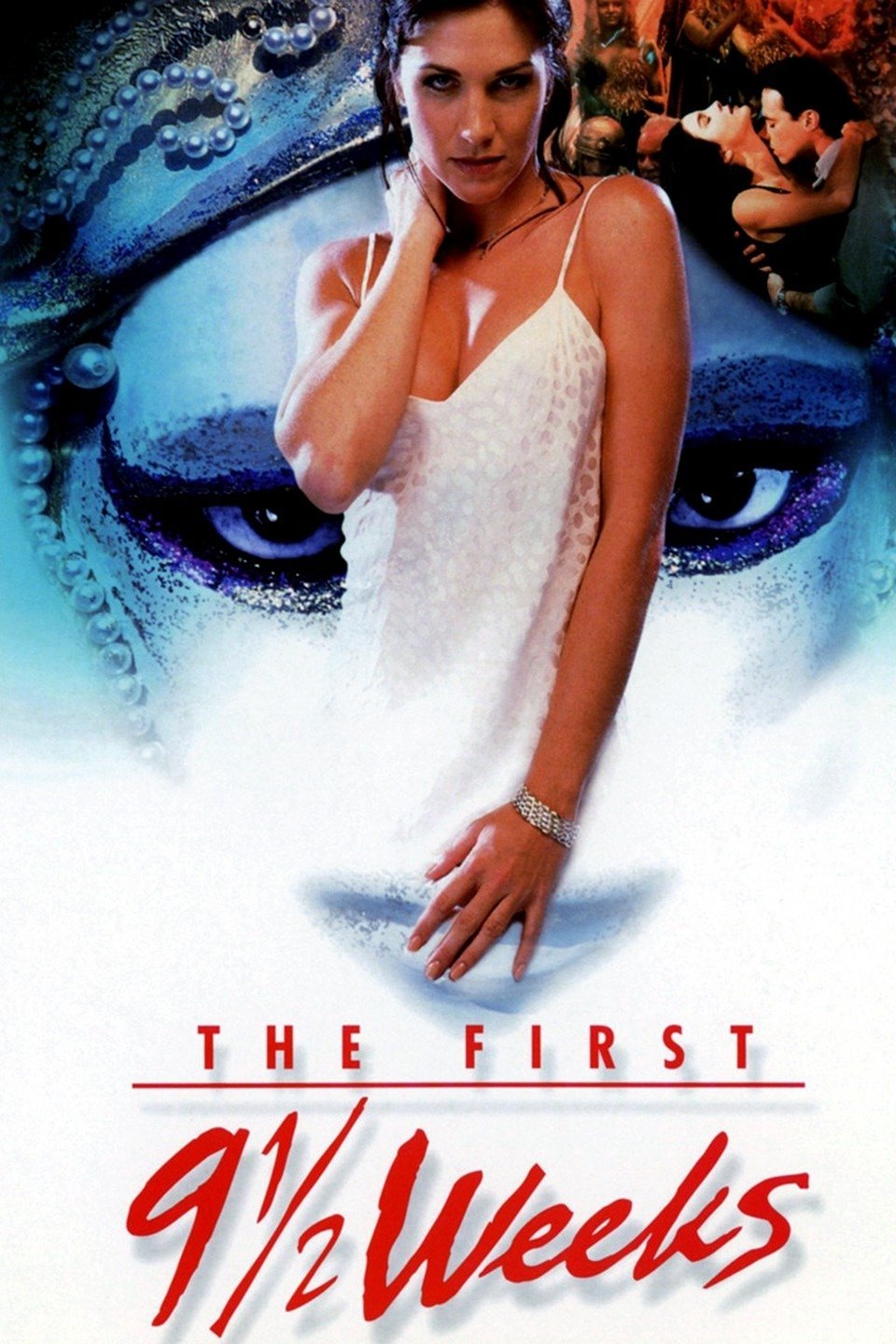
3 catalogued
Recommended
20- 5.5
 X
X - 7.7
 Eyes Wide Shut
 - 7.1
 Unfaithful
 - 5.1
 Heatwave
 - 7.2
 Shame
Shame - 6.1
 In Secret
 - 7.3
 Anna Karenina
 - 6.1
 Below Her Mouth
 - 5.0
 Addicted
 - 6.6
 Jungle Fever
 - 5.8
 Blind
Blind - 6.9
 Fatal Attraction
 - 6.3
 London


